Monday, 13 April 2026
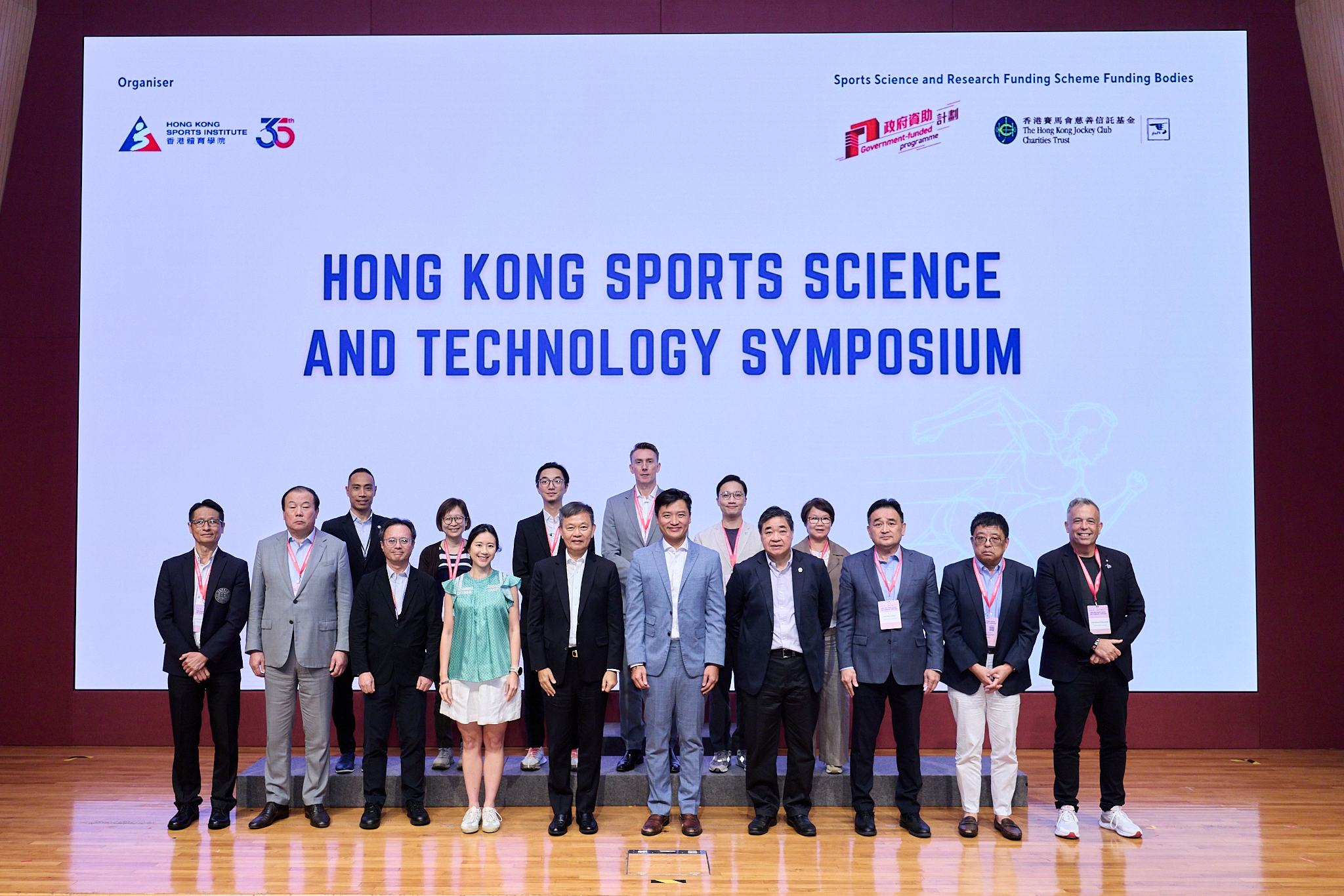
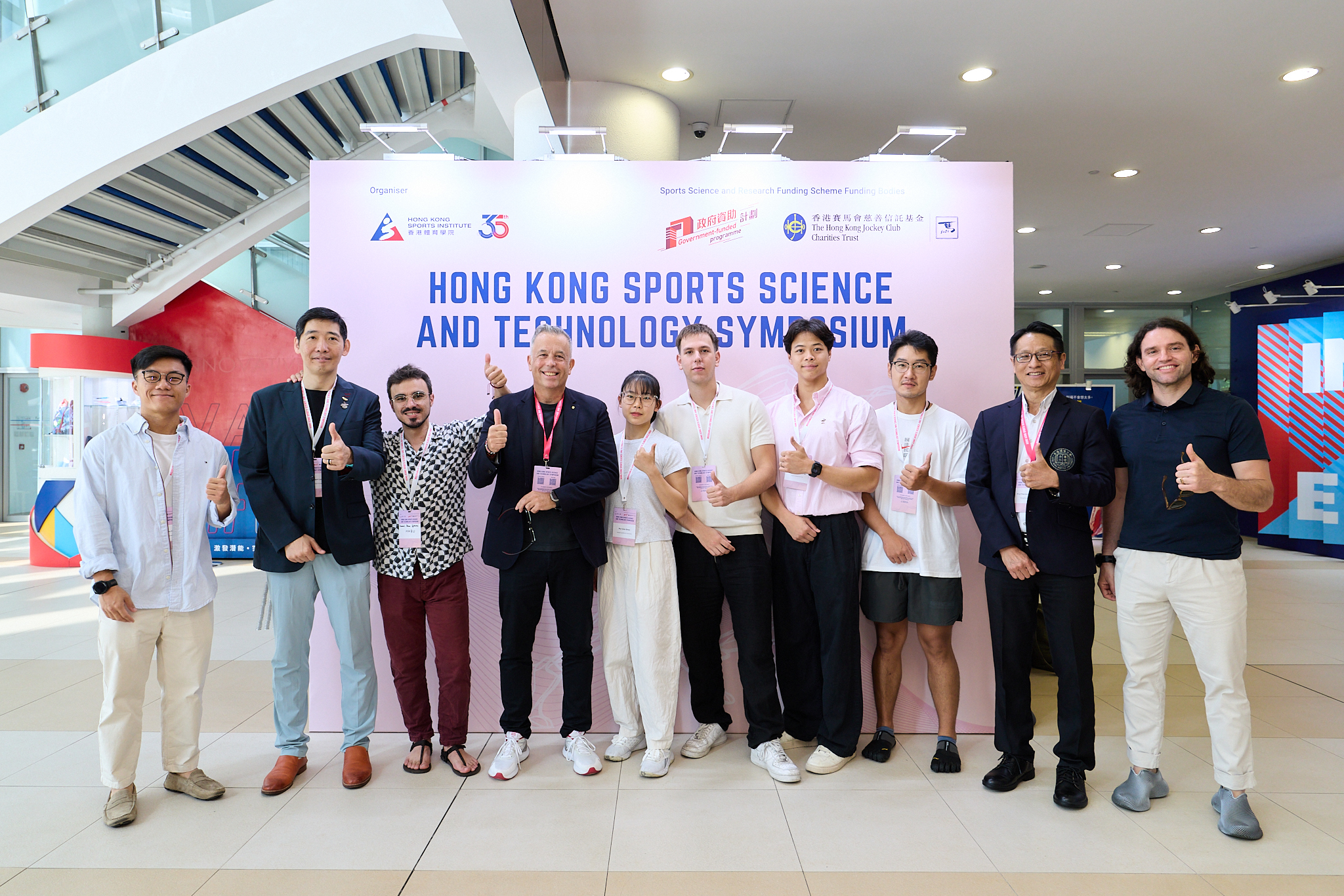
The Centre for Exercise Science and Medicine (CESAME) was proud to be represented by its Director, Prof. Yannis Pitsiladis, together with the CESAME team, at the Hong Kong Sports Science and Technology Symposium, held on 10–11 July at the Hong Kong Sports Institute (HKSI). The symposium brought together leading researchers, practitioners, coaches, clinicians, engineers and technology innovators with a shared ambition: advancing athlete health and performance through science and innovation.
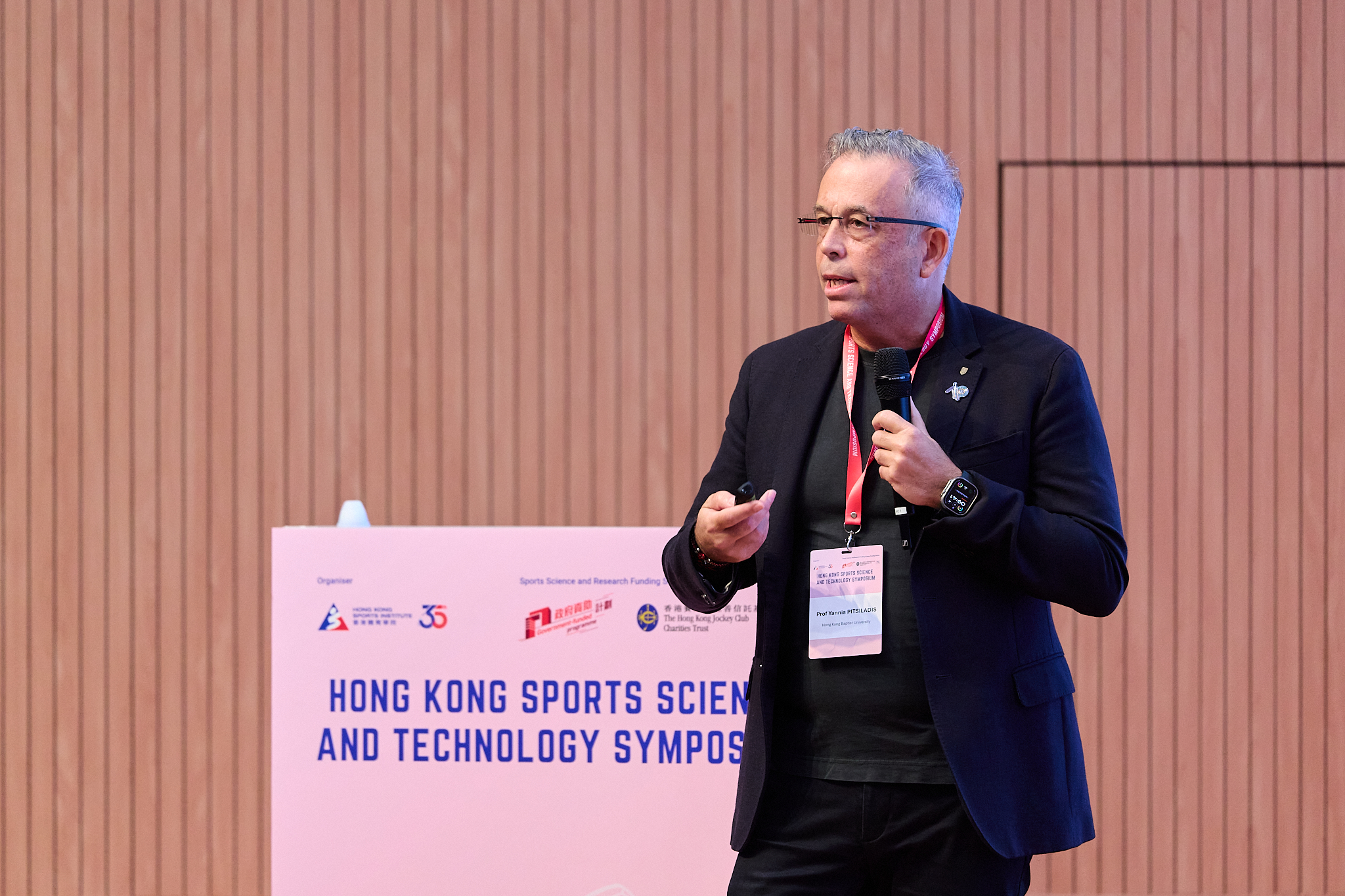
In his presentation, “Making the Invisible Visible: The Future of Athlete Monitoring,” Prof. Yannis Pitsiladis explored a central theme shaping the future of elite sport—that some of the greatest opportunities lie in understanding what we cannot directly see.
For decades, performance analysis has focused on observable outputs: speed, power, distance and technique. Today, however, rapid advances in wearable technologies, real-time physiological monitoring, cloud computing, geospatial intelligence and artificial intelligence allow us to go beyond measuring performance outcomes. We can now better understand why performance changes—while training is still taking place.
Prof. Pitsiladis demonstrated how “seeing the invisible” translates complex, real-time physiological data into actionable intelligence for coaches, athletes and medical teams. He highlighted CESAME’s ongoing collaborative work with Hong Kong’s elite athletes, including the deployment and evaluation of these technologies with the Hong Kong Cycling and Rowing teams.
The presentation demonstrated how non-invasive biosensors continuously monitor critical physiological and biomechanical variables—including core body temperature, muscle oxygenation, heart rate, ventilation, biomechanics and environmental conditions—during training and competition. These data are integrated into a unified real-time decision-support platform, creating a continuously updated physiological profile of the athlete.
By harnessing this information, Prof. Pitsiladis illustrated how coaches can make evidence-informed decisions during training by optimising training loads, identifying the earliest signs of fatigue and heat strain, reducing injury risk, and refining competitive strategies to support athlete health and performance. The presentation also introduced the concept of the digital twin—a continuously evolving physiological model that integrates multiple data streams to support personalised coaching and decision-making.
A key message resonating throughout the symposium was clear: innovation alone is not enough. To make a meaningful difference in elite sport, new technologies must be rigorously validated, embedded into daily practice and developed through genuine collaboration. Athletes, coaches, sport scientists, clinicians, engineers, universities and industry partners all play an essential role in this process.
The event also highlighted the importance of the Hong Kong Sports Science Research Funding Scheme, which has created an important platform for collaboration between universities, HKSI and industry partners. Beyond supporting individual research projects, the programme has strengthened research infrastructure, developed local expertise, encouraged interdisciplinary collaboration and accelerated the translation of research into practical applications that directly benefit athletes.
Discussions across the two days reinforced the importance of supporting both applied research—delivering practical solutions for today’s athletes—and fundamental research, which underpins tomorrow’s scientific breakthroughs. Sustained investment in both areas will be essential to maintaining Hong Kong’s growing international leadership in sports science, sports medicine and sports technology. Equally important is ensuring that successful innovations continue beyond individual projects through long-term partnerships, sustained investment and translation into everyday practice.
The future of sport science will not be built by a single discipline. It will be shaped by multidisciplinary teams working together to solve real-world challenges.
The symposium was also an invaluable experience for the entire CESAME team. We extend our sincere gratitude to the Hong Kong Sports Institute for providing this exceptional platform. It allowed our colleagues and students to engage with the latest scientific and technological developments, exchange ideas with leading experts, and share our own research and innovations. Such collaboration is central to CESAME’s mission and reinforces our commitment to advancing sports science, sports medicine and sports technology in Hong Kong and beyond.
For CESAME, making the invisible visible is more than a research theme—it is a long-term commitment to transforming scientific discovery into technologies that improve athlete health, enhance performance and contribute to the future of elite sport.

.png)